Green Burial: Costs and Transparent Pricing for Eco Conscious Families
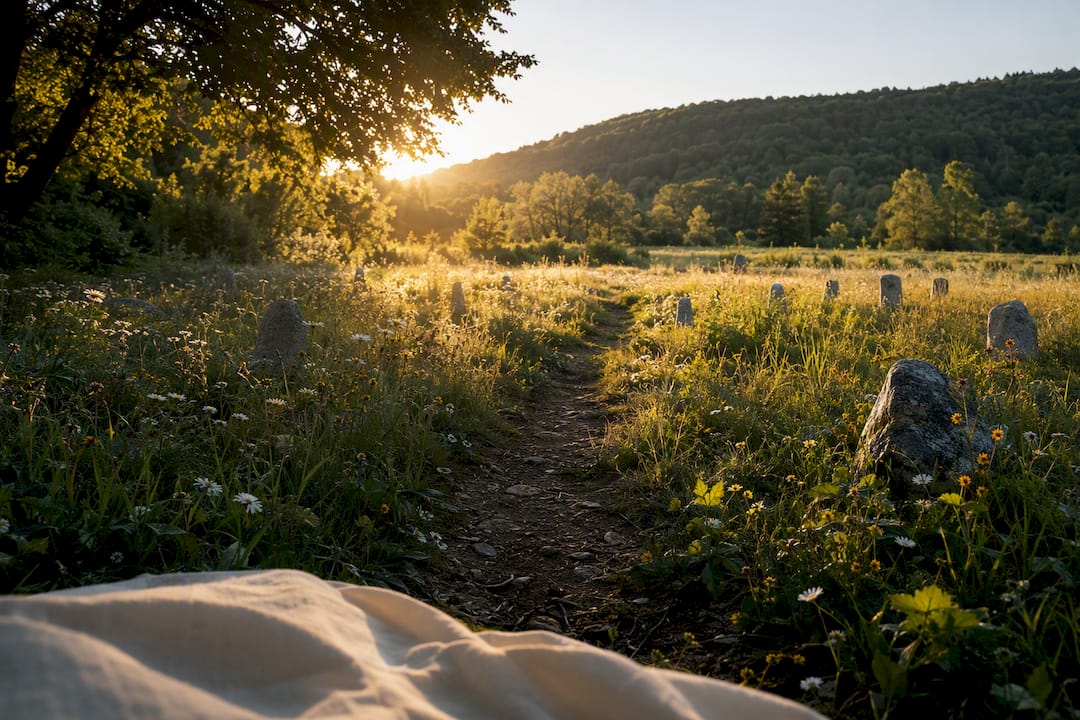
Green burial, also called natural burial, returns the body to the earth without embalming chemicals, metal caskets, or concrete vaults, using a biodegradable container like a shroud or untreated wood casket instead. Families choose it because it lets natural decomposition happen the way it always has, while reducing the chemicals, metal, and concrete that go into the ground. What follows covers the practical side: how it actually works, what it costs, where it’s legal, and what to ask before you commit to it.
TL;DR:
- Many cemeteries require a vault or liner, even if they claim to offer green burial options, so verify their policies in writing beforehand.
- Conservation burial grounds often have legal easements that protect land from development forever, unlike hybrid cemeteries with internal policies.
- Green burial generally results in lower greenhouse gas emissions compared to conventional burial and cremation, but soil and groundwater effects are still being studied.
- Green burial is legal in all 50 states, but local cemetery rules may impose restrictions such as mandatory vaults or liners that affect its sustainability.
- Costs are usually lower than traditional burial because they exclude embalming, metal caskets, and concrete vaults, but ask specific questions about policies and materials.
Table of Contents
- What Green (Natural) Burial Means in Practice
- Types of Green Burial Grounds: Hybrid, Natural, Conservation
- How Does Green Burial Work? Body Care, Containers, and Timeline
- Environmental Benefits and Scientific Limits
- Is Green Burial Legal? Availability and Cost Basics
- How to Plan a Green Burial: Checklist and Questions to Ask
- How Bravo Family Mortuary Supports Green Burial Requests
- A Straightforward Next Step With Bravo Family Mortuary
- Where This Information Comes From
- Sources
What Green (Natural) Burial Means in Practice
Green burial skips almost everything a conventional funeral adds between the body and the soil. There’s no embalming fluid, no steel or hardwood casket lined with plastic, and no concrete vault holding the grave open forever. Instead, the Green Burial Council defines acceptable materials as fully biodegradable ones that break down alongside the body rather than outlasting it.
In practice, that usually means:
- Shrouds made of cotton, linen, or wool
- Caskets built from bamboo, wicker, or untreated softwood
- Plain pine or cardboard fiberboard containers where cemetery rules allow them
You’ll sometimes hear “green,” “natural,” and “woodland” burial used interchangeably, and mostly they are. “Woodland” tends to describe a burial ground designed to look and function like a forest, with graves marked by native trees or wildflowers instead of headstones. Memorialization in general looks different here. Many green cemeteries use flat, flush markers, GPS coordinates, or a single planted tree instead of upright granite, partly to keep the land looking undisturbed.
Types of Green Burial Grounds: Hybrid, Natural, Conservation
Not every cemetery advertising “green burial” means the same thing, and the Green Burial Council’s framework sorts them into three tiers:
- Hybrid cemeteries are conventional cemeteries that set aside a section for green burial, usually still requiring a grave liner instead of a full vault.
- Natural burial grounds are dedicated to green practices only, with no embalming, vaults, or non-biodegradable caskets allowed anywhere on the property.
- Conservation burial grounds go further, partnering with a land trust or conservation organization so burial fees fund permanent habitat protection.
Certification differs by tier, too. Conservation grounds often carry a legal easement that protects the land from development forever, while hybrid sections may only carry an internal cemetery policy that could change with new ownership.
Pro Tip: Ask specifically which tier a cemetery falls under before you tour it. “Green section” can mean anything from a genuinely restriction-free meadow to a standard lawn with a slightly relaxed casket policy.
How Does Green Burial Work? Body Care, Containers, and Timeline
Skipping embalming doesn’t mean skipping care. Funeral homes rely on refrigeration or dry ice to slow natural change, and most recommend burial within 48 to 72 hours when a family wants time for a viewing beforehand.
Here’s roughly how the process unfolds:
- The body is refrigerated or packed with dry ice shortly after death, since no embalming fluid is used.
- The family selects a shroud or biodegradable casket, typically cotton, wool, bamboo, wicker, or untreated softwood.
- The cemetery prepares the grave, usually without a concrete vault, at a depth suited to natural decomposition.
- Some cemeteries allow family members to help lower the casket or fill the grave, depending on liability policies and equipment on hand.
- A marker, often a flat stone, GPS point, or planted tree, replaces the traditional headstone.
Get every one of these terms confirmed in writing before the day of the service. Verbal assurances about vault requirements or family participation have a way of changing once you’re standing at the cemetery gate.
Environmental Benefits and Scientific Limits
Green burial’s environmental case holds up reasonably well, with real limits worth knowing. A life-cycle analysis from Planet Mark found that natural burial and sustainable coffin materials are generally associated with lower greenhouse gas emissions than conventional burial and many cremation methods. Interest is rising alongside that evidence: 68% of NFDA survey respondents said they’re interested in green funeral or natural burial options.
Conservation burial grounds add a second benefit beyond emissions. They function as protected habitat, supporting native plants and wildlife on land that might otherwise face development.
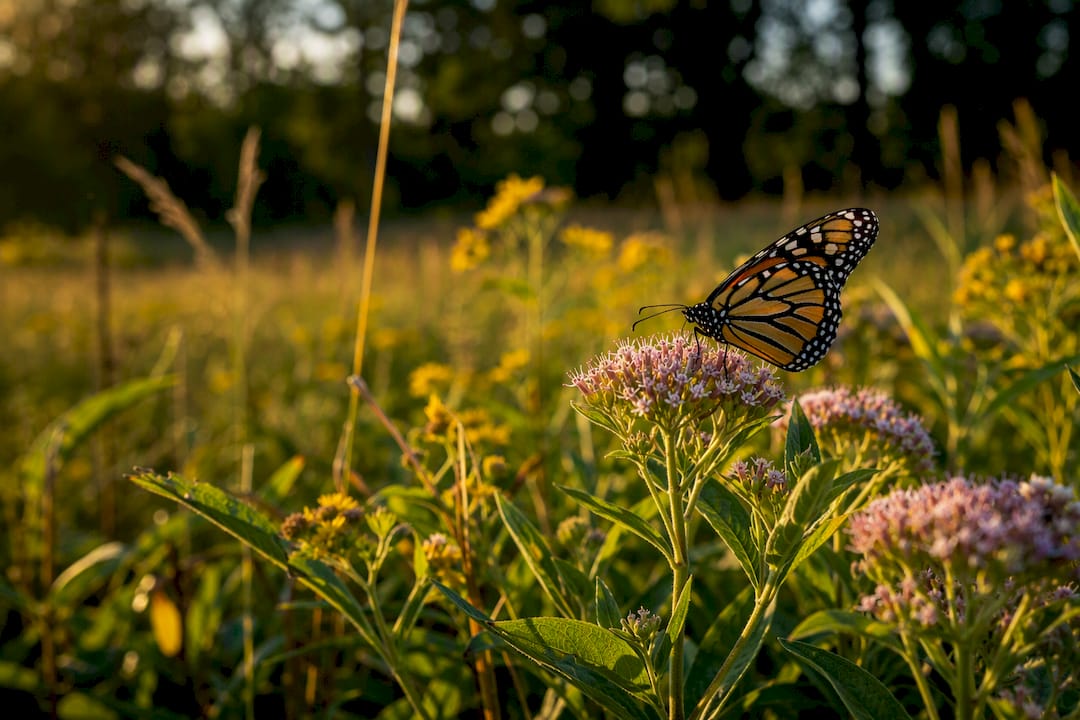
But the science isn’t finished. A peer-reviewed review of natural burial’s ecosystem effects confirms the habitat and biodiversity gains while flagging open questions about how decomposition affects soil chemistry and groundwater, especially involving pharmaceutical residues. Worth remembering too: carbon differences can shrink once you factor in travel and memorial choices, so the whole funeral matters, not just the burial method.
When evaluating a cemetery’s green claims, ask for specifics rather than accepting the label:
- Does it carry Green Burial Council certification, and at which tier?
- Is there a conservation easement, or just an internal policy?
- What independent source backs any environmental claim it makes?
Is Green Burial Legal? Availability and Cost Basics
Green burial is legal in all 50 states, according to the Green Burial Council’s FAQ, which means no state law bans it outright. Local rules and individual cemetery policies are usually the real limiting factor, not state law itself. Some cemeteries still require a vault or liner regardless of what state law permits.
To find a genuine option, look for:
- Green Burial Council certified cemeteries in your area
- Conservation land trusts that partner with burial grounds
- Hybrid sections at cemeteries you already know
Cost items typically include the plot or section fee, the shroud or biodegradable casket, and the funeral home’s service fee. Savings versus traditional burial usually come from skipping embalming, a metal casket, and a concrete vault. Where a cemetery insists on a liner as a compromise, ask directly how that affects both the price and how “green” the burial actually is.
How to Plan a Green Burial: Checklist and Questions to Ask
Start by naming an authorized agent, the person legally empowered to make arrangements on your behalf, then work through these steps:
- Decide whether you want a hybrid, natural, or conservation burial ground.
- Confirm in writing whether a vault or liner is required.
- Ask which containers and materials the cemetery permits.
- Settle the timeline for transport, refrigeration, and any viewing.
When you call a funeral home or cemetery, ask directly:
- Is embalming required, or can we use refrigeration instead?
- Is a vault or grave liner mandatory here?
- What container materials do you allow?
- Can family members participate in the burial itself?
- What kind of marker or memorial does your policy allow?
Vague or evasive answers about vault requirements are a red flag worth walking away from. For a fuller rundown of what to ask before you commit, this funeral home question checklist covers the ground in more detail.
Pro Tip: Check California’s specific rules before assuming any cemetery near you offers true green burial. Our guide to green burial law in California walks through what’s actually required versus what’s just cemetery custom.
How Bravo Family Mortuary Supports Green Burial Requests
Green burial is one of the options families ask us about most often, alongside direct cremation and traditional burial, and we walk through it the same way we’d want walked through with us: no pressure, no jargon. You can start the whole arrangement online, any hour, through a secure online portal, and pricing is made transparent from the start to avoid surprises. Funeral homes often assist with paperwork such as VA benefits for veteran families, and may provide bilingual services in some areas.
— Steve Olsher
A Straightforward Next Step With Bravo Family Mortuary
Choosing green burial shouldn’t mean chasing down hidden fees or guessing what a cemetery actually requires. Local family-owned funeral homes may offer green burial along with transparent pricing you can review before making arrangements.
Our burial services page walks through what a green burial arrangement looks like with us, and our pricing page lays out costs plainly, with no hidden add-ons. Everything can be arranged online through PartingPros at any hour, and we’re glad to explain any part of the process in English or Spanish. If you’re planning ahead rather than facing an immediate need, our full range of services covers pre-planning too. We are here whenever you are ready.
Where This Information Comes From
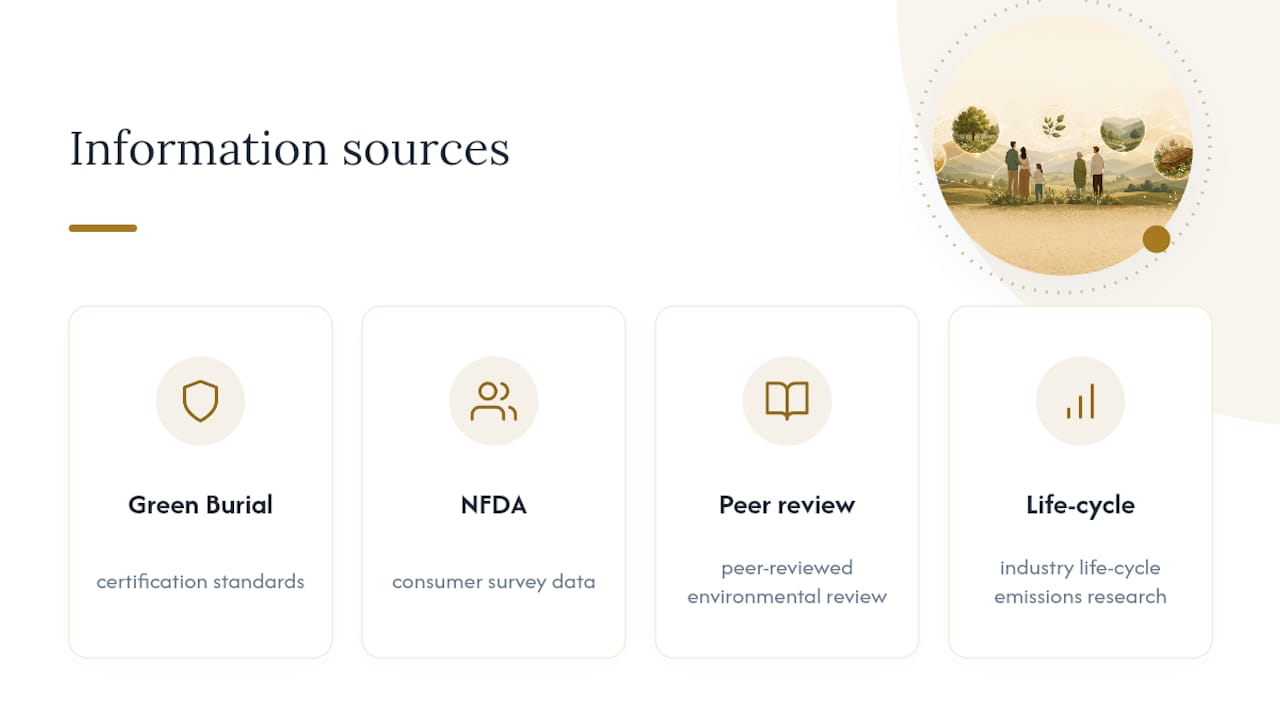
This article draws on the Green Burial Council’s certification standards, NFDA consumer survey data, and a peer-reviewed environmental review, alongside industry life-cycle emissions research, for readers who want to dig deeper.
Sources
- Green Burial Council — Green burial defined
- NFDA — Green burial resources
- The contribution of natural burials to soil ecosystem services: Review and emergent research questions
- Funeral industry life-cycle report (Planet Mark)