Scattering Ashes in San Diego: Laws, Locations, and Options
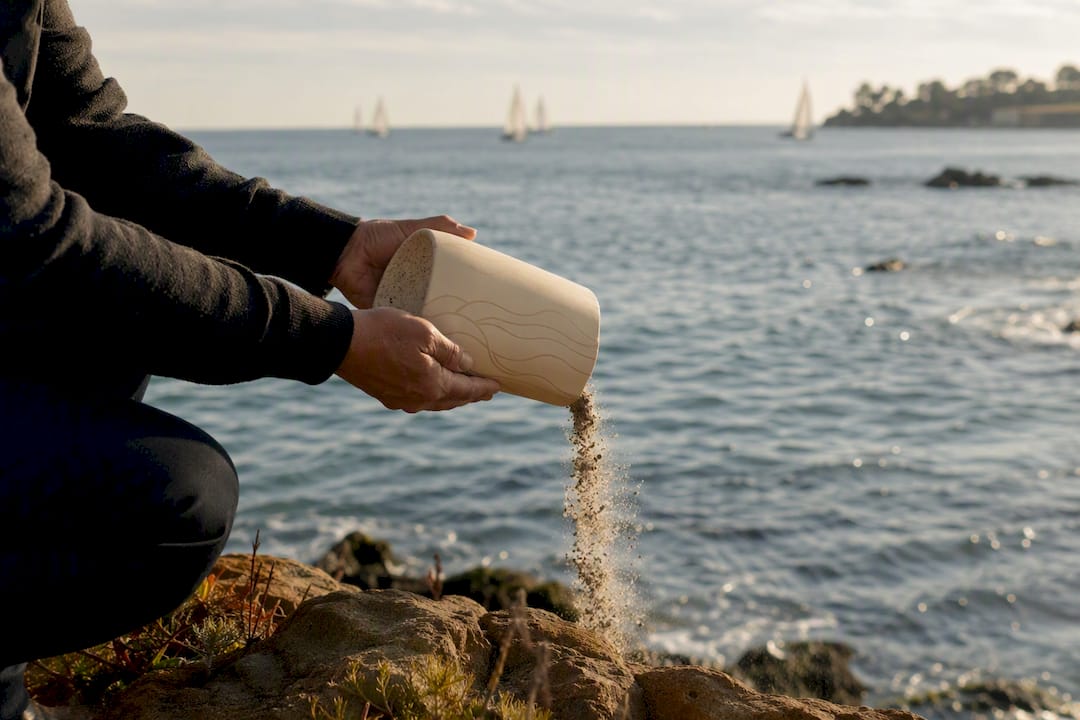
Yes, you can legally scatter ashes in San Diego. You’ll need a Permit for Disposition of Human Remains from the county before you scatter, and if you’re heading out on the water, California law requires you to stay at least 500 yards from shore. Beyond that, the rules are more forgiving than most families expect.
Your first move is simple: contact the San Diego County Office of Vital Records and Statistics and request the disposition permit tied to the death certificate. Once that’s in hand, you have three practical paths forward.
- Do it yourself — legal, but you’re responsible for every filing and rule
- Hire a boat operator for an at-sea scattering, handled through a private charter
- Work with a funeral home or registered disposer, like Bravo Family Mortuary, who manages permits, filings, and logistics for you
Roughly a 500-yard buffer from shore is the single number to remember. Get that wrong, or skip the paperwork, and you risk a state citation during what should be a peaceful goodbye.
Key Takeaways
A legal ash scattering in San Diego requires a county disposition permit, adherence to the 500-yard offshore rule for sea scattering, and a verified statement filed within 10 days.
| Point | Details |
|---|---|
| Get the permit first | Request the Permit for Disposition of Human Remains from the San Diego County Office of Vital Records and Statistics before scheduling anything. |
| Follow the 500-yard rule | At-sea scattering must occur at least 500 yards from shore, and remains come out of any durable container unless using a scattering urn. |
| File within 10 days | A verified statement must reach the nearest county registrar within 10 days of the scattering. |
| Choose your location carefully | State parks require a district permit; private land requires written owner consent; lakes and piers don’t count as “at sea.” |
| Consider a registered disposer | Bravo Family Mortuary manages permits, filings, and logistics with transparent pricing, bilingual support, and 24/7 online arrangements. |
This article is general information, not a substitute for advice from a qualified lawyer. Consult a qualified legal professional about your own circumstances before acting on anything here.
Table of Contents
- What California and San Diego Law Require for Scattering Ashes
- Where Can You Legally Scatter Ashes in San Diego?
- How to Arrange an At-Sea or Land Scattering Step by Step
- What Does Scattering Ashes Cost in San Diego?
- Why San Diego Families Often Choose a Local Funeral Home for This
- Environmental Care When Scattering Ashes Near the Coast
- Alternatives to Scattering: Trees, Keepsakes, and Ceremonies
- Cultural and Religious Customs That Shape Scattering Decisions
- Choosing a Reputable Ash Scattering Provider in San Diego
- Weather and Tide Conditions That Affect Scattering Timing
- An Honest Look at What This Process Really Demands
- Let Bravo Family Mortuary Handle the Details for You
- Sources
What California and San Diego Law Require for Scattering Ashes
California treats cremated remains with more flexibility than most people assume, but the state still sets firm boundaries. Under HSC §7117, scattering at sea must happen at least 500 yards from the shoreline, and remains must come out of any solid container unless you’re using an approved scattering urn designed to dissolve in water. If you’re using a scattering urn, the transfer into that urn has to happen no more than seven days before the actual scattering.
The Cemetery and Funeral Bureau’s disposer guidance spells out who can legally handle this process and what records they need to keep. Individuals with the legal right to control remains, typically a surviving spouse or next of kin, can scatter ashes themselves. Registered disposers and funeral homes can also do it on a family’s behalf, but they carry additional recordkeeping duties the CFB can audit.
Locally, the process starts with the San Diego County Office of Vital Records and Statistics, which issues the Permit for Disposition of Human Remains. You can request it in person or by mail, and you’ll need the death certificate information on hand when you do.
- Request the permit before scheduling any scattering
- Confirm whether you’re scattering at sea, in a park, or on private land, since each has its own added step
- Keep a copy of the permit with you during the ceremony
After the scattering, California law requires filing a verified statement with the county registrar nearest the scattering location within 10 days. If a disposer handled it, they must also give the family a photocopy of the completed permit within 30 days. Miss these deadlines, and you’re technically out of compliance even if the scattering itself was respectful and legal.
Where Can You Legally Scatter Ashes in San Diego?
San Diego gives families real choice, but “at sea” has a precise legal meaning, and not every scenic spot qualifies. The 500-yard rule applies specifically to ocean water beyond the shoreline. Lakes, rivers, bridges, piers, and docks don’t count as “at sea” under state law, so scattering from a pier at Ocean Beach or into Mission Bay isn’t the same as a legal sea scattering, even though the water looks similar.
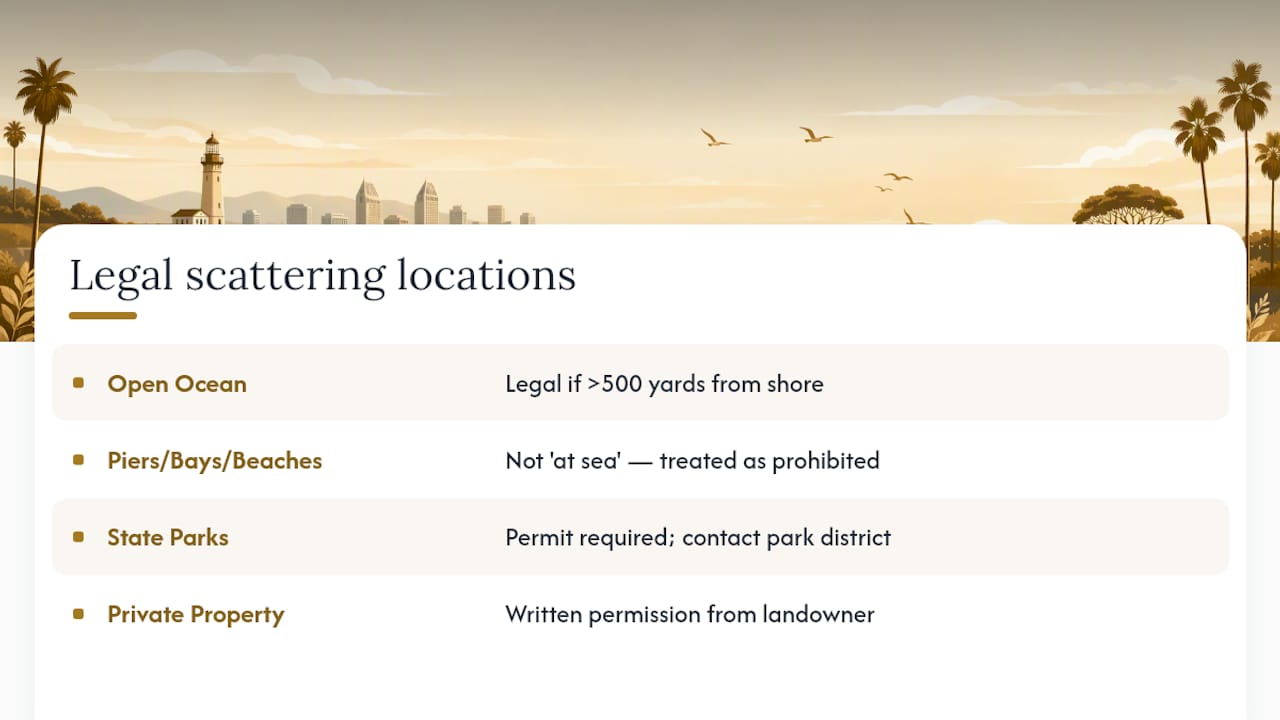
California State Parks allow scattering in appropriate areas, but you need a district-issued permit first. Fees and approval vary by district, so contact the specific park office covering the area you have in mind, whether that’s Torrey Pines or Cabrillo National Monument’s surrounding lands, well before the date you’re planning.
Private property requires written permission from the landowner. A family ranch, a friend’s backyard overlooking the coast, or a hillside property all require that documented consent, even if the owner is a relative.
Many San Diego families choose the open ocean beyond Point Loma, reached by charter from local harbors, or a departure point near Mission Bay or Shelter Island. Public beaches themselves carry restrictions on scattering directly onshore, since remains left on sand or blown by wind don’t meet the “at sea” standard and can draw complaints.
Pro Tip: Call the park district or harbor office a few weeks ahead, not the week of. Permit turnaround and seasonal restrictions catch families off guard more than any other part of this process.
How to Arrange an At-Sea or Land Scattering Step by Step
Whether you handle this yourself or bring in help, the sequence of steps stays the same. What changes is who does the work.
- Get the death certificate finalized so the county can issue the disposition permit.
- Request the Permit for Disposition of Human Remains from the San Diego County Office of Vital Records and Statistics.
- Choose your method and location — DIY boat trip, chartered vessel, state park, or private land.
- Secure any additional permission needed, such as a state park district permit or a landowner’s written consent.
- Book a vessel if scattering at sea, confirming the operator understands the 500-yard requirement.
- Prepare the remains correctly — remove them from the durable container, or transfer into a scattering urn no more than seven days before the ceremony.
- Check weather and safety conditions the morning of the scattering.
- Conduct the scattering ceremony.
- File the verified statement with the registrar nearest the scattering point within 10 days.
If you hire a boat operator, confirm in writing that they know the offshore distance rule and won’t cut it close to save time. If you work with a funeral home or registered disposer, they should handle the permit filing, the verified statement, and give you a photocopy of the completed paperwork within 30 days, exactly as state law requires.
- Never scatter ashes still inside a plastic bag or sealed container unless it’s an approved scattering urn
- Avoid inhaling ash dust, especially in windy conditions, by scattering low and with your back to the wind
- Bring the permit copy with you the day of the ceremony, not just a photo of it on your phone
Pro Tip: Ask your funeral home whether they’ve handled scatterings with your chosen boat operator before. Familiarity between the two means fewer surprises on the water.
What Does Scattering Ashes Cost in San Diego?
Costs vary widely depending on how much of the work you take on yourself. A DIY scattering, where you handle the boat, the permit, and the paperwork, keeps expenses to little more than the county permit fee and whatever a small charter costs for a few hours on the water.
Chartering a boat specifically for a scattering ceremony typically adds a moderate fee on top of that, more if you want a larger vessel, a longer trip, or added ceremonial touches like flowers released alongside the ashes. Full-service funeral homes and registered disposers charge for the coordination itself: securing the permit, vetting a boat operator, filing the verified statement afterward, and making sure every deadline is met.
- Distance offshore and vessel size both push charter costs up
- Scattering urns, ceremonial extras, and expedited paperwork add to full-service pricing
- DIY options stay lowest but put every legal responsibility on the family
Two deadlines matter regardless of price: registered disposers must complete disposal within 60 days unless there’s a documented reason for delay, and the verified statement filing is due within 10 days of the scattering itself.
Why San Diego Families Often Choose a Local Funeral Home for This
Handling a scattering yourself is completely legal, but it puts every filing, permit, and vendor decision on your shoulders during a week that’s already heavy enough. That’s the honest reason many San Diego families bring in a funeral home instead.
Bravo Family Mortuary handles the permit paperwork, coordinates cremation or water cremation ahead of the scattering, and manages the verified statement filing afterward so nothing slips past the 10-day window. Families arranging services for a veteran can also get help with VA burial benefits paperwork at no extra charge, and the entire process can be started online through the PartingPros portal, day or night.
A family shouldn’t have to become an expert in California disposition law during the same week they’re grieving. That’s the work a licensed funeral home is supposed to carry, not the family.
- All-inclusive, transparent pricing with no hidden fees
- Bilingual Spanish and English support throughout the process
- 47-plus five-star Yelp reviews and independent, family-owned ownership
- Online arrangements available 24/7, without an in-person visit required
The CFB’s own guidance notes that hiring an accredited disposer shifts the legal recordkeeping burden away from the family, which is exactly the peace of mind most people are looking for at this point.
Environmental Care When Scattering Ashes Near the Coast
Cremated remains are inert, but where and how you scatter them still matters ecologically. San Diego’s coastline includes marine protected areas, tide pool reserves, and sensitive habitats around spots like La Jolla Cove, and scattering directly onto tide pools or reef areas can disturb the marine life those zones exist to protect.
Staying well beyond the 500-yard shoreline boundary already keeps most scatterings clear of the most sensitive nearshore ecosystems. Beyond that, a few habits make a real difference:
- Avoid scattering directly over kelp forests or known reef structures when possible
- Skip flowers, wreaths, or other non-biodegradable items unless you plan to remove them afterward
- Choose a calm, outgoing tide so remains disperse naturally rather than washing back toward shore
For land scattering in state parks, the permit process itself functions as an environmental check. Park district staff assess whether a chosen spot can absorb scattering without disturbing soil, plant life, or wildlife corridors, which is part of why the permit exists at all rather than a general nuisance.
Cremated remains are mostly calcium phosphate, and in small quantities they don’t meaningfully alter soil or water chemistry. Concentrated repeat scattering in one small area, however, can affect local plant growth over time, so many families and park offices favor scattering in a wider, thinner pattern rather than one dense pile.
Alternatives to Scattering: Trees, Keepsakes, and Ceremonies
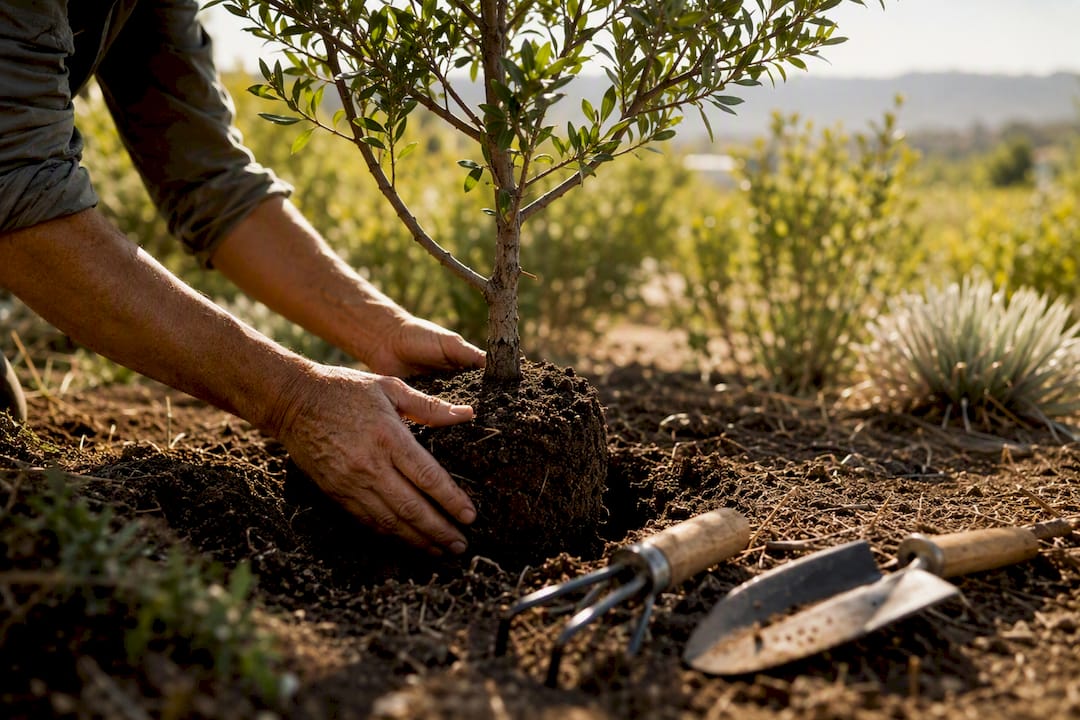
Scattering isn’t the only way to honor someone, and plenty of San Diego families choose to combine it with something more permanent. A memorial tree planting, sometimes done alongside a partial scattering, gives families a living place to return to, something the ocean doesn’t offer in quite the same way.
Some families choose to divide the remains: a portion scattered at sea, a portion kept in a keepsake urn or incorporated into memorial jewelry or glass art. This isn’t unusual, and nothing in California law requires all the ashes to be handled the same way.
A celebration of life service held separately from the scattering itself gives extended family and friends who can’t join a boat trip a chance to gather, share stories, and grieve together. Bravo Family Mortuary offers celebration of life services that can happen before, after, or entirely apart from a scattering ceremony.
For families still weighing traditional burial against cremation, burial services and green burial remain options worth discussing, particularly for families with religious or personal preferences that lean toward permanent interment over scattering. None of these choices is more “correct” than another. They’re different ways of answering the same question: how do we want to remember this person, physically and ceremonially?
Cultural and Religious Customs That Shape Scattering Decisions
San Diego’s diversity shows up directly in how families approach ash scattering. Catholic and many Christian traditions historically favored burial, though the Vatican has permitted cremation for decades while still asking that remains be kept in a sacred place rather than scattered, a nuance that leads some Catholic families toward burial or columbarium placement instead.
Buddhist and Hindu families, both well represented in San Diego, often see scattering, particularly into moving water, as a meaningful step in a spiritual journey, which is part of why ocean scattering resonates so strongly across the county’s diverse communities.
Military families frequently want a scattering that reflects service, sometimes timed near Memorial Day or Veterans Day, sometimes paired with a small honor ceremony before the ashes go into the water. Bravo Family Mortuary’s coordination of military and veteran funeral services includes handling VA paperwork so that honor and formality aren’t lost in administrative delay.
For Spanish-speaking families, having every legal explanation and permit conversation available in their own language changes how manageable this process feels. Bravo’s bilingual support exists specifically because English-only guidance leaves too many San Diego families guessing at requirements that carry real legal weight.
Whatever tradition shapes a family’s decision, the legal requirements, the permit, the 500-yard rule, the filing deadline, apply the same way to everyone. Custom shapes the ceremony; the law shapes the compliance.
Choosing a Reputable Ash Scattering Provider in San Diego
Not every provider offering scattering services in San Diego handles the legal side with the same care. When evaluating a funeral home, disposer, or boat charter for this purpose, a few questions separate the reliable from the risky.
Ask whether the provider is a registered disposer under California law, since the CFB actively enforces recordkeeping and permit compliance and can issue administrative citations for violations. A legitimate provider won’t hesitate to confirm their registration status.
- Confirm they’ll handle the permit filing and verified statement, not just the ceremony itself
- Ask for a written price breakdown before booking, since hidden add-on fees are a common complaint
- Check reviews for consistency, not just star ratings, since five-star averages built on dozens of reviews carry more weight than a handful
Local maritime organizations, including the San Diego Maritime Museum’s burial-at-sea program, offer attended scattering services from local harbors, and independent charter operators based around Harbor Island also provide vessels for private scatterings. Whichever route you choose, get every commitment, price, timing, and legal responsibility, in writing before the day arrives.
If the emotional weight of planning feels heavier than the logistics, a grief counseling resource can help you process the loss itself while the practical details get handled elsewhere.
Weather and Tide Conditions That Affect Scattering Timing
San Diego’s coastal weather is forgiving most of the year, but a few patterns matter more than people expect when planning an at-sea ceremony. Morning marine layer, the low gray fog that often blankets the coast until midday, tends to bring calmer water, which many families actually prefer for a scattering, since it feels quieter and more private than a bright afternoon crowd of boats.
Afternoon winds pick up more reliably in spring and early summer, which can make for a choppier ride out to the required 500-yard mark and increase the chance of ash blowing back toward the boat rather than dispersing outward. Scheduling a morning departure reduces that risk.
Tide timing matters less for the legal requirement itself but affects the experience. An outgoing tide carries remains away from shore rather than back toward it, which most families find more meaningful symbolically. Charter operators and local harbor offices can check tide tables and marine forecasts a few days out, and a good provider will reschedule without hesitation if conditions turn rough rather than push through for the sake of a set date.
Winter brings the occasional storm system that can cancel charters outright, so families planning a scattering between November and March should build a flexible backup date into their plans from the start.
An Honest Look at What This Process Really Demands
The conventional advice on scattering ashes treats it like a formality, fill out a form, pick a pretty spot, done. That undersells how much can go wrong. Families skip the 10-day filing deadline more often than they realize, not out of carelessness but because grief makes deadlines slip. Others assume any beach or bay counts as “at sea,” only to learn later that a pier scattering technically violated the shoreline rule.
The part conventional guides get right is that California’s law is genuinely permissive. You don’t need a lawyer, and the permit process itself is straightforward. Where guidance usually fails families is in the follow-through: nobody explains that the verified statement still has to reach the registrar, or that a disposer has 30 days to hand over a permit copy, and if that copy never shows up, the family has no way to know the filing happened at all.
My honest read: the legal bar here is low, but the administrative discipline required is real. If you’re confident you’ll track every deadline during a week of grief, do it yourself. If there’s any doubt, that’s precisely the gap a registered local funeral home closes.
— Steve Olsher
Let Bravo Family Mortuary Handle the Details for You
Planning a scattering yourself means tracking permits, deadlines, and vendor logistics during the hardest week of your year. Bravo Family Mortuary is the local alternative to piecing this together on your own: a family-owned San Diego funeral home that requests your county disposition permit, vets vessel or park logistics, and files the verified statement within the required 10 days, all under transparent, all-inclusive pricing with no hidden fees.
Whether you’re arranging cremation services for a recent loss or exploring aquamation as a gentler option, Bravo’s team can walk you through pricing and paperwork the same day you reach out. Families can complete the entire arrangement online through the PartingPros portal, at 2 a.m. or 2 p.m., with bilingual Spanish support and no sales pressure at any step. Veteran families receive VA burial benefits coordination at no additional charge.
Review current funeral and cremation pricing whenever you’re ready to compare options, or reach out directly to start the permit process for a scattering. We are here whenever you are ready.
Sources
- California HSC §7117 (scattering at sea)
- Cremated Remains Disposers booklet — California Cemetery and Funeral Bureau
- Burial permits — San Diego County Office of Vital Records and Statistics
- Scattering ashes of loved ones in State Parks — California State Parks