
Funeral Costs 2026 Price Breakdown: What to Expect
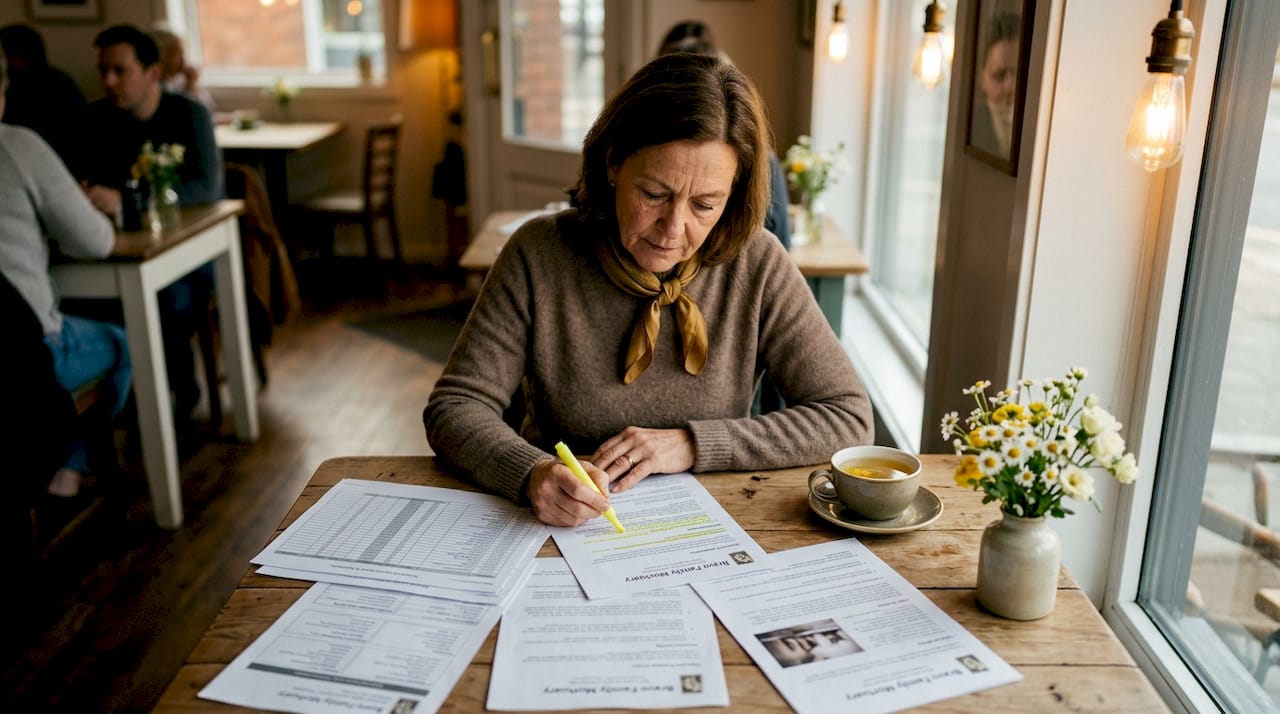
Funeral costs in 2026 range from roughly $1,095 for direct cremation to $18,000 or more for a traditional burial with cemetery fees. That wide gap reflects real differences in service type, location, and the merchandise families choose. The FTC Funeral Rule protects you throughout this process, requiring funeral homes to provide itemized General Price Lists and prohibiting forced package purchases. Understanding where every dollar goes is the first step toward making a calm, informed decision for your family.
1. What are the main funeral service types and their 2026 price ranges?
The four core service categories carry very different price tags. Knowing each one helps you match your family’s values and budget before you ever speak with a funeral home.
Direct cremation is the most affordable option. It costs between $1,095 and $2,500 nationally in 2026. That price covers transportation of the deceased, the cremation itself, and a basic container. There is no embalming, no formal viewing, and no graveside service included.

Full-service cremation with a memorial adds a ceremony, often held days after the cremation. Families choose an urn, schedule a gathering, and may rent a funeral home chapel. Prices typically land between $3,000 and $7,000 depending on the venue and merchandise selected.
Traditional burial includes embalming, a viewing, a funeral service, and graveside committal. Before cemetery fees, funeral home charges alone often run $7,000 to $10,000. Add cemetery costs and the all-in total reaches $12,000 to $18,000 or more.
Green and natural burial skips embalming and uses a biodegradable shroud or simple wooden casket. Costs vary widely by provider and cemetery, but many families find green burial competitive with or less expensive than traditional burial when a natural burial ground is available locally.
| Service type | Typical 2026 range |
|---|---|
| Direct cremation | $1,095–$2,500 |
| Full-service cremation with memorial | $3,000–$7,000 |
| Traditional burial (funeral home only) | $7,000–$10,000 |
| Traditional burial (all-in with cemetery) | $12,000–$18,000+ |
| Green or natural burial | $1,500–$6,000 |
Pro Tip: Ask every funeral home for their General Price List before discussing anything else. The FTC Funeral Rule requires them to hand it over on request, and comparing three GPLs side by side is the fastest way to spot pricing differences in your area.
2. What does the funeral home charge for services and merchandise?
Funeral home pricing breaks into several line items. Most families are surprised to learn that the largest single charge is one they cannot decline.
The Basic Services Fee covers the funeral director’s time, overhead, and administrative work. It ranges from $2,200 to $3,500 nationally and is the only non-declinable charge under the FTC Funeral Rule. Every other item on the price list is optional.
Caskets are the most variable merchandise cost. Funeral homes typically price caskets between $2,400 and $10,000. However, you have the legal right to purchase a casket from any third-party retailer. Online caskets run $900 to $1,800, and the funeral home must accept it without charging a handling fee. That one decision can save your family $1,000 to $5,000.
Embalming costs $500 to $900 on average. Embalming is not legally required in most states, and refrigeration is a less expensive alternative. Many families pay for embalming unnecessarily because they assume it is mandatory.
Other common funeral home line items include:
- Preparation and dressing of the deceased: $200–$400
- Use of facilities for viewing: $400–$800
- Use of chapel for funeral ceremony: $500–$1,000
- Graveside service attendance by staff: $300–$600
- Hearse transportation: $300–$600
- Family limousine: $200–$400
- Death certificates (per copy): $10–$25
Pro Tip: Order more death certificates than you think you need. Banks, insurance companies, and government agencies each require an original. Most families need 8 to 12 copies, and ordering them later costs more.
3. How do cemetery fees affect the total cost?
Cemetery charges are billed separately from the funeral home and add thousands more to the total. Many families underestimate this portion of the bill entirely.
The breakdown of typical cemetery costs in 2026 looks like this:
| Cemetery expense | Typical range |
|---|---|
| Burial plot | $1,000–$8,000+ |
| Opening and closing fee | $600–$1,500 |
| Outer burial vault or grave liner | $1,400–$5,000 |
| Headstone or grave marker | $1,000–$5,000+ |
| Annual maintenance fee | $100–$300/year |
| Cremation niche or columbarium space | $1,000–$4,000 |
A few points worth understanding:
- Burial plots in urban cemeteries cost far more than rural ones. A plot in a metropolitan area can reach $8,000 or higher.
- Outer burial vaults are required by most cemeteries to prevent the ground from settling. This is a cemetery policy, not a state law, but it is effectively non-negotiable at most sites.
- Headstones are often purchased through a monument company rather than the cemetery itself, which gives families more pricing options.
- Niche spaces for urns in a columbarium offer a lower-cost alternative to ground burial for cremated remains.
Planning for burial services in San Diego means accounting for all of these costs together, not just the funeral home invoice.
4. Why do funeral costs vary so much by location?
Geography is the single largest driver of funeral cost variation. Urban areas like New York or Los Angeles can run double the cost of rural regions for comparable services. That gap reflects local real estate values, labor costs, and the density of providers in the market.
Within a single metropolitan area, costs can differ significantly from one neighborhood to the next. A funeral home in a high-rent district carries higher overhead and passes that cost to families. A provider in a suburban or industrial area may offer the same services for considerably less.
Practical steps to use this knowledge:
- Request the GPL from at least three providers before making any decisions. Price differences of $2,000 to $4,000 for similar services are common within the same city.
- Consider providers outside your immediate neighborhood. Transportation costs are modest compared to the savings available from a lower-overhead provider.
- Ask about all-inclusive pricing. Some funeral homes bundle services at a discount. Others itemize everything, which gives you more control but requires more comparison work.
- Check whether the cemetery is affiliated with the funeral home. Affiliated cemeteries sometimes offer package pricing, but independent comparison is still worth doing.
For families managing broader financial planning alongside end-of-life costs, resources on life settlement versus long-term care costs can help frame the full picture of senior financial decisions in 2026.
5. How pre-planning reduces your funeral expenses
Pre-planning is the most effective financial tool available to families preparing for end-of-life expenses. Families who pre-plan typically spend 20% to 40% less than those who arrange services under the pressure of grief. That savings comes from avoiding impulse decisions and locking in current pricing before costs rise further.
Pre-need planning also removes the burden from your family at the worst possible moment. When arrangements are already made, your loved ones do not have to make financial decisions while grieving. They simply follow the plan you left them.
Pre-need planning through a licensed funeral home lets you select services, merchandise, and disposition type at today’s prices. Many providers offer payment plans that spread the cost over time. The plan travels with you if you move, and most states regulate pre-need funds to protect consumers if the funeral home closes.
Affordability has overtaken relationships and reputation as the primary factor families consider when selecting a funeral provider. Pre-planning lets you shop calmly and choose based on value, not urgency.
Key takeaways
Funeral costs in 2026 range from $1,095 for direct cremation to over $18,000 for a traditional burial with cemetery fees, and pre-planning remains the most reliable way to reduce that total by 20% to 40%.
| Point | Details |
|---|---|
| Direct cremation is the lowest-cost option | Prices range from $1,095 to $2,500 and include transport, cremation, and a basic container. |
| Cemetery fees add thousands to the total | Burial plots, vaults, and headstones can add $4,000 to $15,000 on top of funeral home charges. |
| The Basic Services Fee cannot be declined | This charge runs $2,200 to $3,500 and is the only non-negotiable line item under FTC rules. |
| Third-party caskets save $1,000 to $5,000 | Funeral homes must accept outside caskets without a handling fee under the FTC Funeral Rule. |
| Pre-planning cuts costs by 20% to 40% | Arranging services in advance locks in current prices and removes crisis-driven spending. |
What I’ve learned about funeral costs after years in this work
By Steve Olsher
The number that surprises families most is not the funeral home bill. It is the cemetery invoice that arrives separately. I have watched families budget carefully for the service, then absorb sticker shock when the cemetery charges land. The all-in cost of a traditional burial is almost always higher than people expect, and that gap causes real financial stress at an already painful time.
The families who handle this best are the ones who planned ahead. Not because they had more money, but because they had more time to think clearly. Pre-planning is not morbid. It is one of the most generous things you can do for the people you love.
Transparency matters more than any single line item. When a funeral home shows you every cost upfront, without pressure or hidden fees, you can make a real decision. When pricing is buried in a sales conversation, you cannot. The FTC Funeral Rule exists because the industry needed that accountability. Families deserve to see the numbers before they sign anything.
My honest advice: request the General Price List from every provider you consider. Compare them. Ask about direct cremation, aquamation, and green burial if cost is a concern. And if you are between 40 and 65 and reading this article, the best time to pre-plan is now, while you have full clarity and no urgency.
— Steve Olsher
Transparent funeral care in San Diego from Bravo Family Mortuary
Bravo Family Mortuary publishes its full pricing online with no hidden fees and no pressure to upgrade. Every service, from direct cremation to aquamation to traditional burial, is listed with an all-inclusive price so your family knows exactly what to expect.

As a family-owned funeral home serving all of San Diego County 24 hours a day, 7 days a week, Bravo Family Mortuary handles arrangements entirely online through the secure PartingPros portal whenever you are ready. Bilingual staff serve Spanish-speaking families with equal care, and the team coordinates VA burial benefits paperwork for veteran families at no charge. Explore cremation and funeral services or reach out whenever you are ready. We are here.
FAQ
What is the average funeral cost in 2026?
The average all-in cost of a traditional burial ranges from $12,000 to $18,000 or more, while direct cremation averages $1,095 to $2,500. The total depends on service type, merchandise, and cemetery fees.
What does direct cremation include?
Direct cremation includes transportation of the deceased, the cremation process, and a basic container. It does not include embalming, a viewing, or a formal service.
Can I buy a casket somewhere other than the funeral home?
Yes. The FTC Funeral Rule requires funeral homes to accept caskets purchased from any third-party retailer without charging a handling fee. Online caskets typically cost $900 to $1,800, compared to $2,400 to $10,000 at funeral homes.
Is embalming required by law?
Embalming is not legally required in most states. Refrigeration is a less expensive alternative, and many families pay for embalming based on a mistaken belief that it is mandatory.
How much can pre-planning save on funeral costs?
Families who pre-plan typically spend 20% to 40% less than those who arrange services at the time of death. Pre-planning locks in current prices and removes the pressure of making financial decisions under grief.