24/7 Online Planning for Cremation With Memorial Service in San Diego
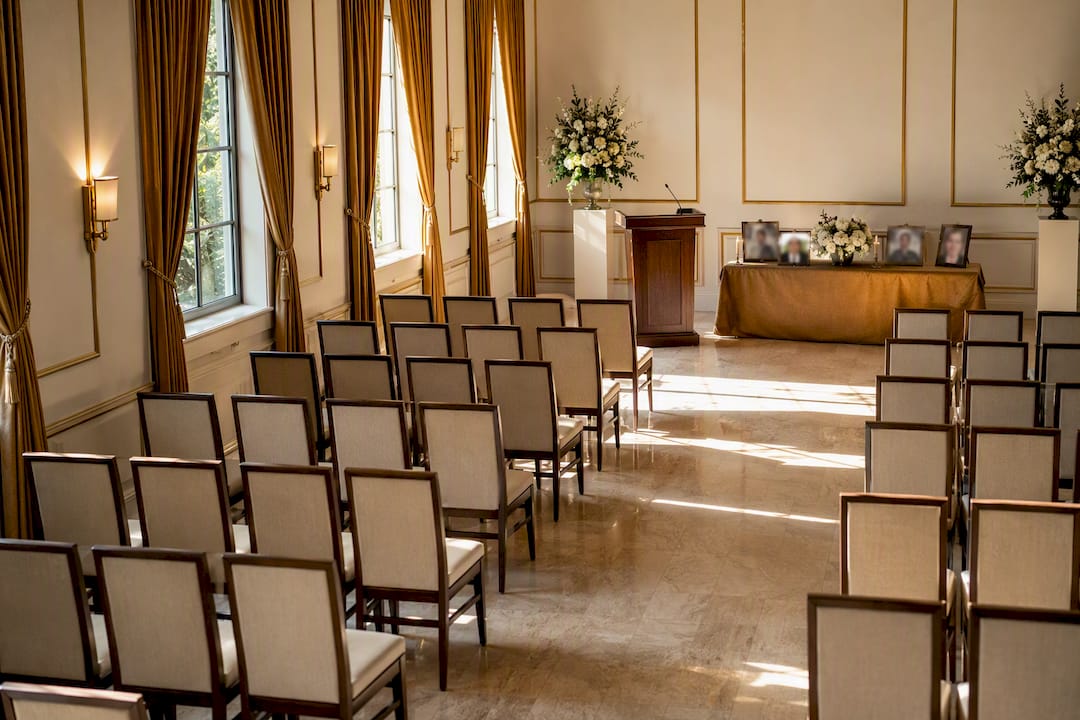
Cremation with a memorial service means the body is cremated first, and the memorial happens afterward, on a day the family chooses. That order gives grieving families room to breathe instead of racing to plan a funeral within days. Groups like the Cremation Association of North America recognize this flexibility as one of cremation’s biggest practical advantages, and Bravo Family Mortuary walks San Diego families through every option at their own pace.
TL;DR:
- Families can schedule memorial services weeks or months after cremation, allowing more time for planning, personalization, and involving absent loved ones.
- Typical service durations are 30, 60, or 90 minutes, with clear arcs of welcome, remembrance, reflection, and closure, tailored to group size.
- Costs include cremation fees, venue, officiant, and optional extras, with transparent pricing and cost-saving options like using community spaces or potluck catering.
- Practical details such as paperwork, certified death certificates, and airline policies for transporting ashes are essential considerations in planning.
- Outdoor or flexible timing options require permits and backup plans for weather, emphasizing ease and compassion in ceremony organization.
Table of Contents
- What Does Cremation With a Memorial Service Actually Mean?
- When and Where Should You Hold the Memorial?
- Building Your Planning Checklist and Timeline
- How Do You Structure the Actual Ceremony?
- Deciding What to Do With the Ashes
- What Does a Cremation With Memorial Service Cost?
- Paperwork, Travel, and Assistance You Should Know About
- Expert Tips for a Calm, Meaningful Service
- A Note From Bravo Family Mortuary
- Plan Cremation and Memorial Services With Bravo Family Mortuary
- Where to Go for More Help
- Sources
What Does Cremation With a Memorial Service Actually Mean?
The distinction that trips up most families is timing. A traditional funeral happens with the body present, usually within days of death, because that’s how embalming and burial schedules work. A memorial service after cremation removes that pressure entirely. The cremation itself is handled first, often within a few days, and the ceremony can happen whenever the family is ready, whether that’s next weekend or three months from now.
That gap is where personalization lives. Because there’s no body present, the tone of the gathering is entirely up to the family. Here’s how the main formats break down:
- Memorial service — A structured gathering with readings, music, and remembrance, held with the urn present or absent. Works well for families who want something that still feels formal.
- Celebration of life — A looser, often upbeat gathering focused on stories and shared memories rather than solemn ritual. Common for families who knew their loved one wanted something joyful.
- Scattering ceremony — A smaller, often outdoor gathering centered on releasing ashes at a meaningful location.
- Inurnment ceremony — A brief, ritual placement of the urn in a columbarium niche or cemetery plot, sometimes paired with a larger memorial beforehand.
- Funeral-before-cremation hybrid — A viewing or traditional service happens first, then cremation follows, giving families visitation without permanent burial.
Whether the urn is present says something too. Having it visible tends to ground the room; leaving it at the mortuary can make the gathering feel lighter, more like a reunion than a farewell.
When and Where Should You Hold the Memorial?
Because the memorial doesn’t have to follow cremation immediately, families often wait for a date that carries its own meaning: a birthday, an anniversary, or simply enough time for out of town relatives to book flights. Cremation lets families decouple the ceremony from disposition entirely, which is why so many services now happen weeks or months after the death rather than days.
Venue choice follows from that same flexibility. Consider these options in order of how much planning they require:
- A funeral home chapel — Simplest logistically; seating, sound, and parking are already handled.
- A house of worship — Fits families with an existing religious community and clergy relationship.
- A community or event space — Good for larger celebrations of life with food and music.
- An outdoor location — Parks, beaches, or gardens for scattering ceremonies or informal gatherings.
- A private home — Intimate, low cost, but check parking and accessibility for older guests.
Pro Tip: If you’re planning anything outdoors, always confirm a permit is not required for gathering size or ash scattering, and book an indoor backup date in case of rain. Losing a venue at the last minute adds stress nobody needs.
Building Your Planning Checklist and Timeline
Once cremation is arranged, the memorial planning itself breaks into three manageable buckets: paperwork, logistics, and guest communication.
Start with your provider. Bravo Family Mortuary can confirm cremation authorization, order certified death certificates, and coordinate timing so you’re not juggling calls while grieving. From there, the checklist looks like this:
- Confirm the number of certified death certificates you’ll need for banks, insurance, and benefits claims.
- Choose an officiant, family member, or friend to serve as master of ceremonies.
- Line up two or three speakers and give each a rough time limit.
- Decide on music, whether live, streamed, or a simple playlist.
- Arrange catering or a potluck if the gathering includes a reception.
- Check parking, AV needs, and seating capacity at your chosen venue.
- Send invitations, by mail, text, or a simple online notice, with enough lead time for travel.
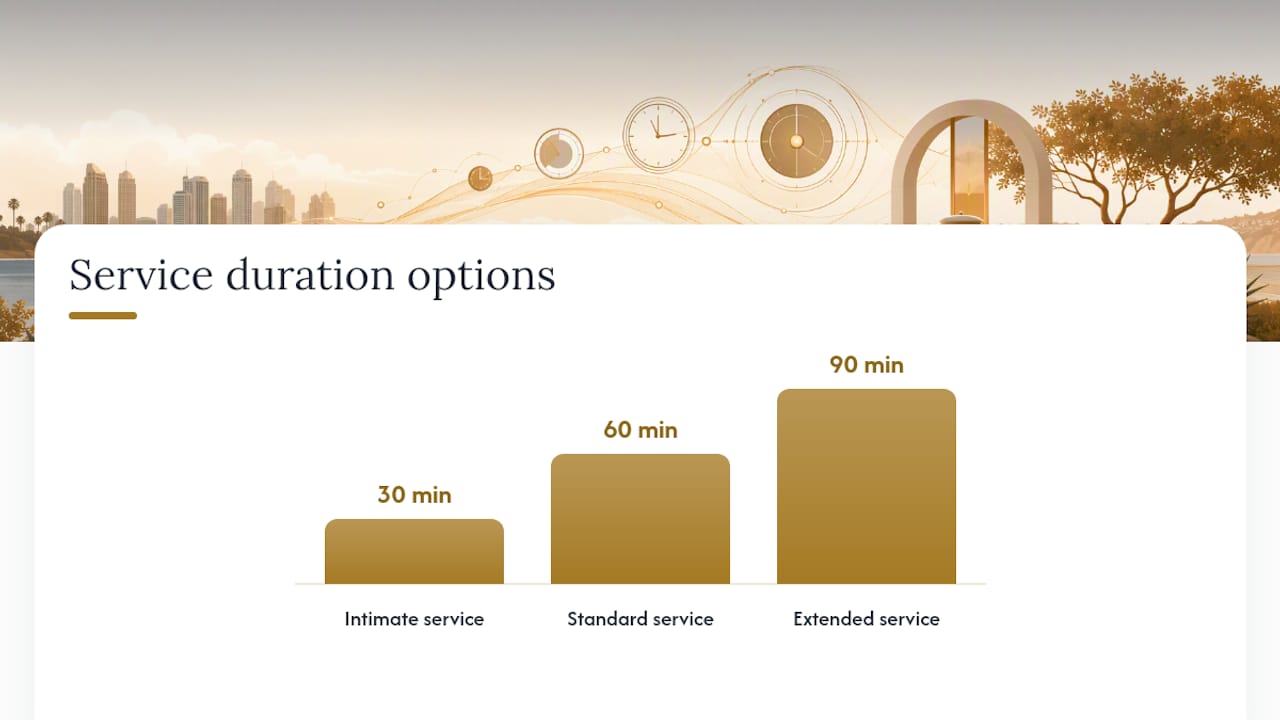
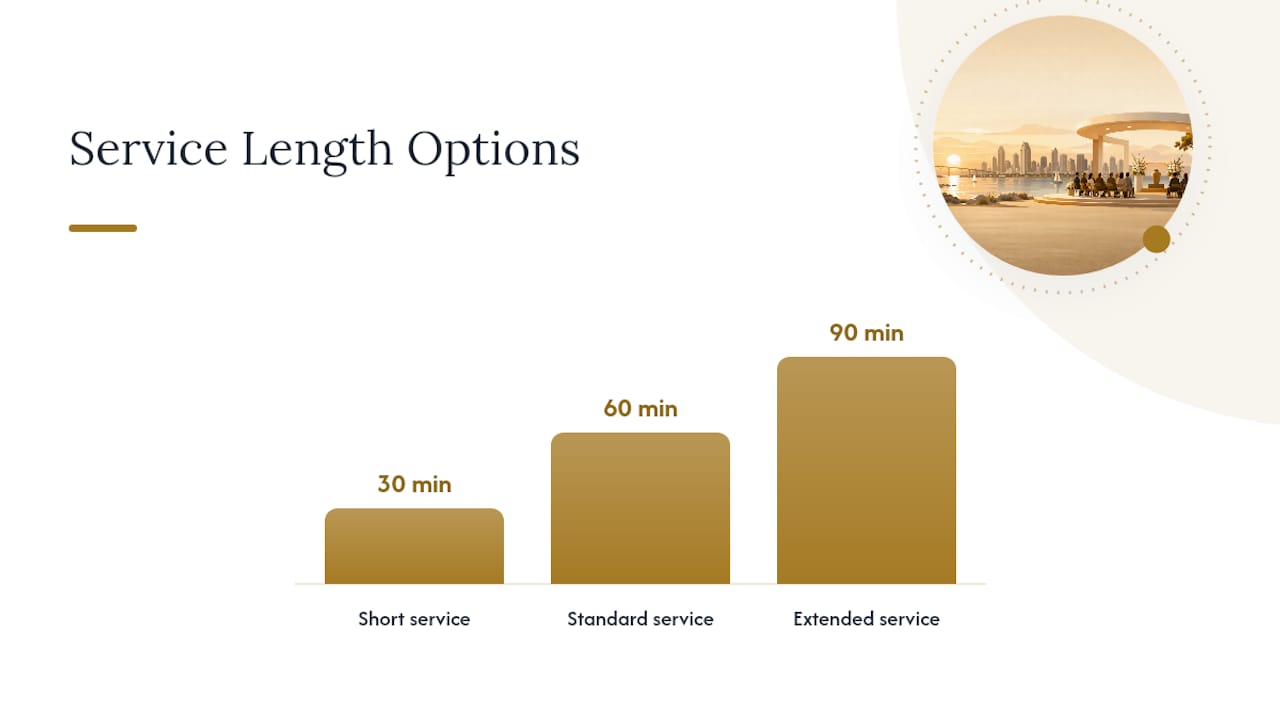
For the ceremony itself, three timing shapes tend to work well depending on group size and formality. A 30 minute service suits a small, intimate gathering with one or two speakers. A 60 minute service is the most common shape, comfortably fitting three or four speakers plus a reading and a song. A 90 minute service allows a fuller program with multiple speakers, a slideshow, and a longer reception transition. None of these require a religious framework. They’re simply containers you fill with what feels right.
How Do You Structure the Actual Ceremony?
A memorial service holds together best with a simple, predictable arc: welcome, remembrance, reflection, closing, and reception. That five part structure gives speakers a clear place to land and gives guests emotional rhythm instead of a string of disconnected moments.
Music and readings work best when timed, not improvised. A single song at the opening, one during a reflective pause, and one at the close is usually enough. Overloading the program with music tends to stretch a 60 minute service into 90 without anyone planning it that way.
When choosing who speaks, structure matters more than polish:
- Pick an officiant or family MC who’s comfortable managing time and cueing transitions.
- Ask two to four speakers, giving each three to five minutes.
- Have a backup reader in case someone is to overcome to speak.
- Build in a short instrumental or silent pause between speakers rather than rushing straight through.
Planners who follow a consistent welcome, remembrance, closing arc across 30, 60, and 90 minute formats find it easier to keep the service on schedule without feeling rigid. If you need help picking songs or readings, a memorial service music guide can save you from decision fatigue at the worst possible time.
Deciding What to Do With the Ashes
Planning the memorial doesn’t require you to decide anything final about the ashes beforehand. That decision can wait, and many families find it easier to make once the service is behind them.
The common paths include:
- Keeping the urn at home, often on a mantel or dedicated shelf.
- Columbarium inurnment, placing the urn in a permanent niche at a cemetery or memorial park.
- Burial of the urn in a family plot, sometimes alongside other relatives.
- Scattering, at a meaningful location, following local rules on public land or water.
- Keepsake division, splitting a small portion into keepsake urns or jewelry for multiple family members.
Urns chosen for permanent display can be heavier, more decorative pieces. Urns meant for travel or scattering ceremonies are usually simpler and easier to transport. There’s no deadline attached to any of this, and Bravo Family Mortuary never pushes families to decide before they’re ready.
What Does a Cremation With Memorial Service Cost?
Costs break into a handful of predictable categories: the cremation fee itself, the urn, venue rental if you’re not using a funeral home chapel, an officiant, catering, AV equipment, and any permits for outdoor scattering.
Providers are required to give you a General Price List, and comparing that itemized list is the single best way to avoid surprise charges. Bravo Family Mortuary publishes its pricing openly rather than making families call for a quote, which is worth checking against any provider that won’t show numbers upfront.
To keep costs manageable without cutting meaning:
- Use a community center or place of worship instead of a rented event hall.
- Ask family and friends to bring dishes potluck-style rather than hiring a caterer.
- Build a playlist instead of hiring live musicians.
- Skip elaborate florals; a few personal items on a memorial table often carry more weight anyway.
A full breakdown of what San Diego families typically pay for cremation plus memorial service gives a realistic starting point, and Bravo’s pricing page lists exact fees rather than ranges.
Paperwork, Travel, and Assistance You Should Know About
A few practical details matter more than people expect. The cremation authorization form, signed by next of kin, has to be on file before cremation proceeds, and certified death certificates are needed for banks, insurance claims, and benefits applications well beyond the service itself.
If you’re transporting ashes for a scattering ceremony or a memorial in another city, check the airline’s policy before you book. Rules on carrying cremated remains vary by carrier, and some require the urn to pass through screening in carry-on rather than checked luggage.
Families facing funeral costs tied to a federally declared disaster may also qualify for FEMA funeral assistance, which covers eligible expenses when documentation requirements are met. It’s worth a look even if you’re unsure you qualify.
Expert Tips for a Calm, Meaningful Service
Practitioners who run these services regularly build in breathing room: short pauses between speakers, a clear cue into the reception, and no rush to fill silence. Silence isn’t a gap to avoid. It’s often where people feel the most.
A simple urn display works better than an elaborate one. A small table with the urn, a photograph, a candle, and one or two personal items, a fishing lure, a favorite book, creates a focal point without needing a florist.
A memorial doesn’t need to be big to be meaningful. A quiet table with the right two or three objects on it often says more than an hour of scripted tribute.
Pro Tip: If children will attend, give them something to do, holding a photo, placing a flower, lighting a candle, rather than just sitting still through the program. It helps them feel included instead of confused.
Bravo Family Mortuary supports families through every piece of this, from 24/7 availability to transparent, published pricing, online arrangements through PartingPros, bilingual Spanish service, and VA paperwork coordination for veteran families at no extra charge.
A Note From Bravo Family Mortuary
When you call us, or start arrangements online through PartingPros at 2 a.m. because that’s when you finally have a quiet moment, you’ll get the same answer either way: clear pricing, no pressure, and a plan built around your timeline, not ours. We’re family-owned, which means we answer to the families we serve, not a corporate office. Whether you need help choosing a venue, writing an order of service, or just talking through your options in Spanish or English, we’re ready. Browse our cremation and memorial services whenever you’d like. We are here whenever you are ready.
— Steve Olsher
Plan Cremation and Memorial Services With Bravo Family Mortuary
Where many providers make you call for a quote and negotiate line by line, Bravo Family Mortuary publishes every price upfront, so you know the full cost of cremation with a memorial service before you commit to anything.
Bravo Family Mortuary offers:
- Direct cremation with the option to add a memorial or celebration of life whenever you’re ready
- Aquamation (water cremation) as a gentler alternative
- Pre-planning and pre-need arrangements you can complete entirely online
- Bilingual Spanish and English support, plus VA benefits paperwork coordination for veteran families at no added cost
Every arrangement can be completed through our secure PartingPros portal at any hour, without an in-person visit or a single sales call. If you’re ready to see exact costs rather than estimates, our cremation services page lays out what’s included, and our pricing page shows every fee in full. Reach out when it fits your day. There’s no clock running on this decision.
Where to Go for More Help
For federal assistance with funeral costs after a qualifying disaster, the FEMA funeral assistance program outlines eligibility and required documents. For a broader look at recognized service types, the Cremation Association of North America explains how memorials, celebrations of life, and inurnments differ. And if a friend or relative is struggling with the loss, this grief support guide offers practical ways to help them through it.